Showing posts with label Yellow Wagtail. Show all posts

Sunday, 7 October 2012

RED-RUMPED SWALLOW- FINDER'S ACCOUNT

it was 08:08 this morning, when a flock of four hirundines flew past me on my circuit of Hope Gap, heading NE. Three were House Martins, but when I got on the back bird I knew it had to be something different. It was, to be quite frank, one of the briefest views I have ever had of a hirundine, but despite thinking over every other alternative, making myself doubt my identity, and not quite believing my initial ID, I can't think of anything this bird could have been other than a RED-RUMPED SWALLOW.

As I first got on it, I noticed the pale rump, ruling out Swallow or Sand Martin. My immediate impression from shape was that is lacked the short, forked tail of a House Martin, and it had long, elegant shape and long tail streamers of a hirundo species, and appeared even longer-tailed than a Swallow. The birds uppersides had a distinctive colouration, not as dark and navy-blue as the House Martin's it accompanied, more light blue-ish black in colour, and not as deep blue and glossy as the uppersides of a Swallow. But before I could see any more detail it was flying away from me, and all I could see was the back view. However, the flight was immediately reminiscent of the hundreds I saw in Bulgaria a month ago. It had wingbeats that were deep but also sharp, giving the impression that the bird was flicking it's wings with every beat, and it was less 'fluttery' than the House Martins it accompanied. This was interspersed with occasional periods of gliding; but it was only on view for another 30 seconds or so, before this hirundine flock disappeared from view.

At first I rather doubted myself, it took a minute for it to sink in what I had seen, and in the blind panic of those crucial seconds it was on view I had failed to note whether the bird had a red-rumps pale, buffish collar on the nape! The rump also seemed too pale at first, but remembering my experience with Red-rumps in Bulgaria in strong sunlight it was consistent with those birds. I fear the SOSRC might not put through a red-rump if I failed to notice the nape-collar, but I'm happy with the identification at any rate, despite mulling it over again and again til my head hurt.

Aside from the Swallow, it was a phenomenal day at Seaford Head, and here are my counts

Goldfinch-550
Chaffinch-200
Siskin-110
Linnet-67
Redpoll-17
Brambling-5
Chiffchaff-70
Goldcrest-30
Blackcap-5
Redwing-9
Mistle Thrush-1
Song Thrush-3
Blackbird-30
Robin-50
Dunnock-70
Jay-4
Pied Wagtail-105
Yellow Wagtail-5
Grey Wagtail-4
Skylark-46
Meadow Pipit-325
Tree Pipit-3
House Martin-80
Swallow-3
RED-RUMPED SWALLOW-1
Greenshank-1
Common Sandpiper-1

I was then back up at Harry's Bush an hour after getting home, when Nick Pope found a YELLOW-BROWED WARBLER. Needless to say, I failed to see it. I'd write some more detail on am amazing day but right now I'm shattered!


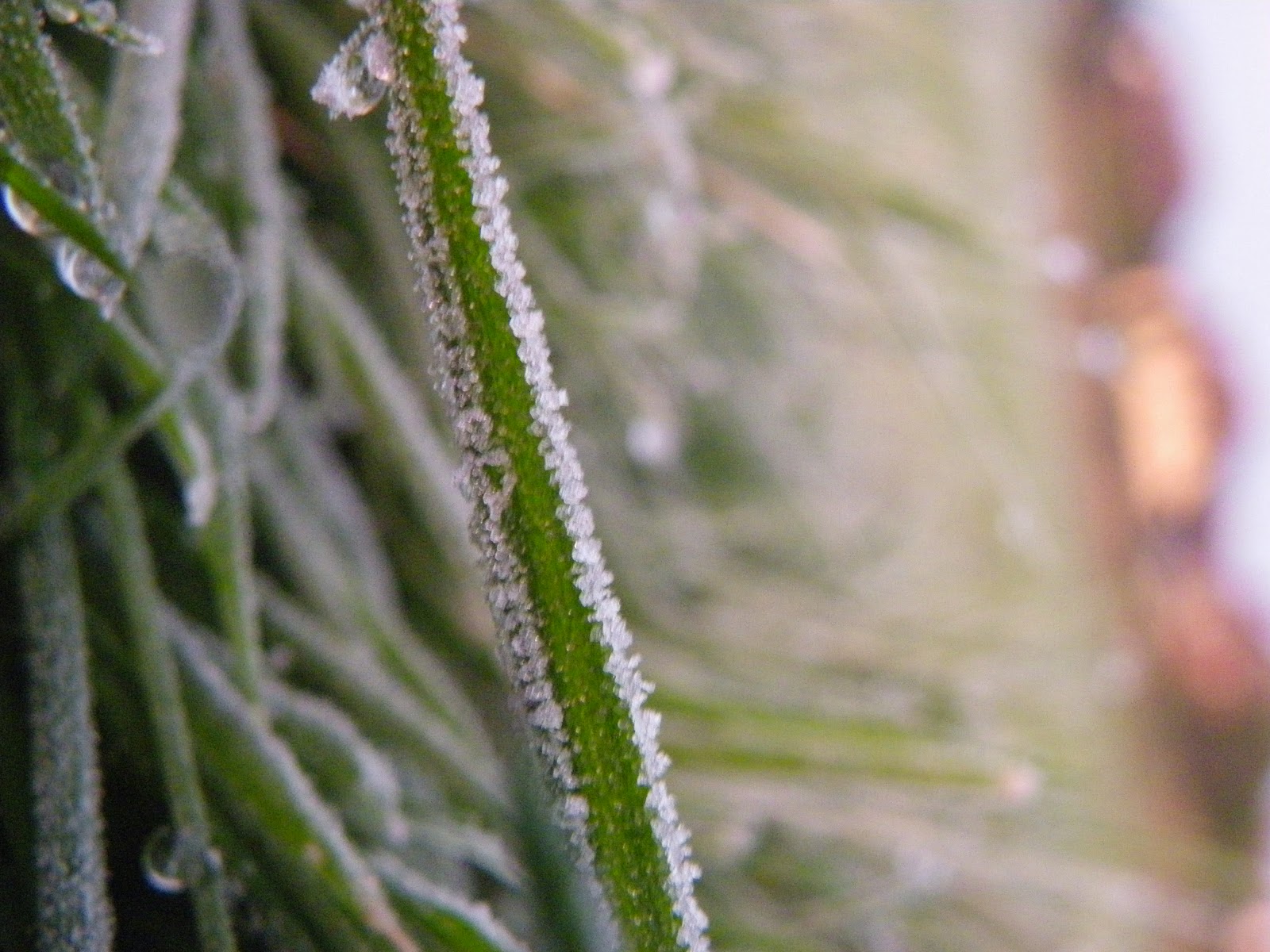
the first frosty morning at Seaford Head
sunrise over the patch

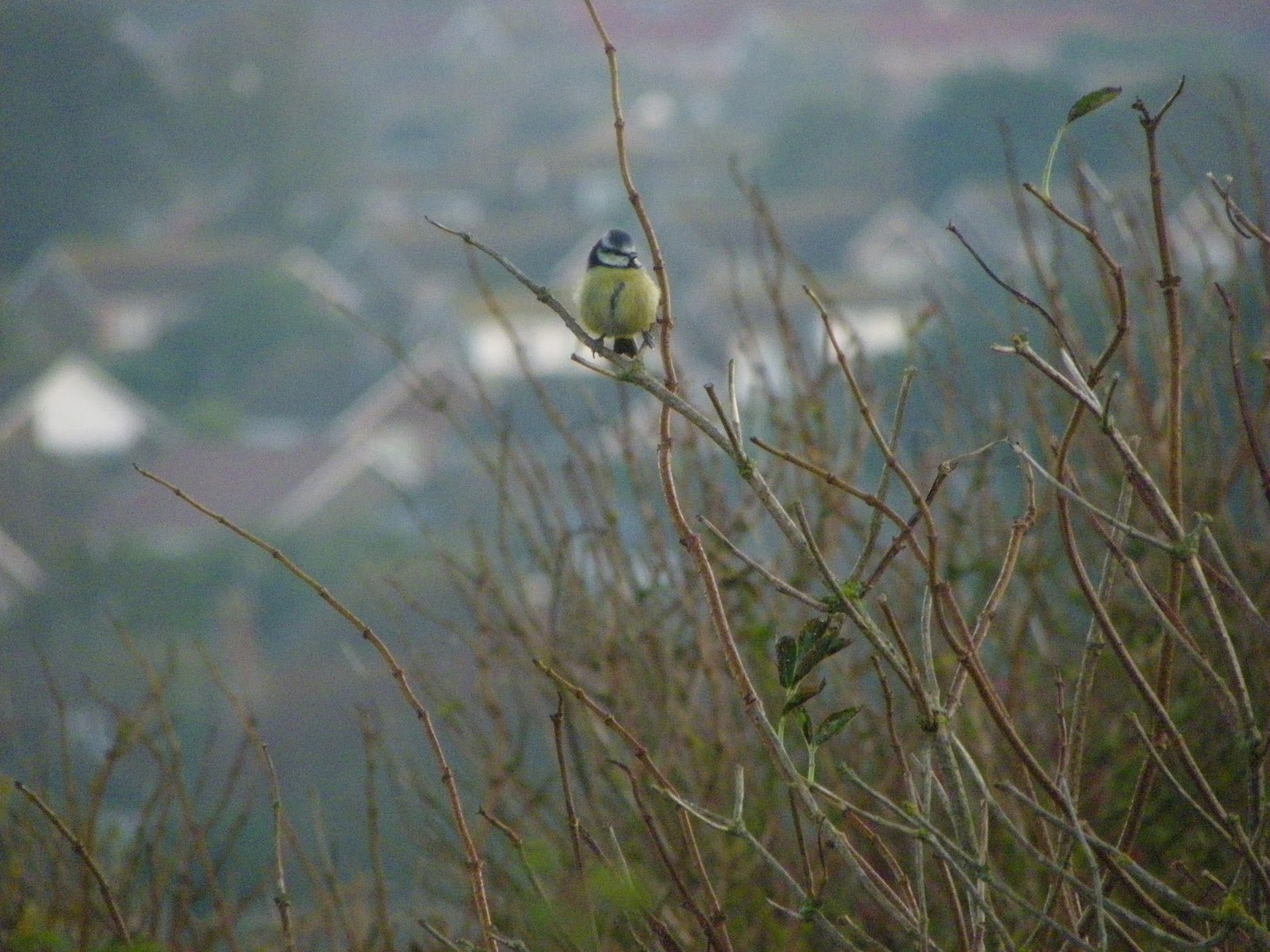
Blue Tit, on Seaford Head Golf Course

a group of Jackdaw on the fence running parallel to the Golf Course


 hundreds of Goldfinch were in this flock at Hope Gap!!!

Saturday, 6 October 2012

Passive Birding; Liam's update

don't think I'd forgotten you all!

The rather sad thing about sixth form is that school, homework and sleep do seem to take over large portions of your life. I'm expected to do 32 hours a week of work (16 in lesson and 16 out-of), which will understandably take a bit of a toll. So here's my notes on 'passive birding' from the last few days, the birds I've been seeing when I wasn't really birding...


  • Siskin are around in plentitude this October. The number for this morning is well into double-figures, as they pile over the house. I'd estimate maybe 70-80 for today, and probably a lot more going unrecorded!. They've been moving in decent numbers on Thursday/Friday as well. Other vismig includes still healthy numbers of Meadow Pipit, with a small stream all through the morning today perhaps mounting up to 50 or so. The vis-migging highlight has been at least one late YELLOW WAGTAIL, once again pushing back my last-of-year date for the species! 
  • Walking the dog today, it was apparent  that the october crests are coming through in force! probably 20 (mostly Goldcrests I expect) heard on a walk without binoculars, most just giving the 'shree-shree-shree' call that is very difficult to identify at the best of times. However, one obliging FIRECREST was in full song from a conifer on Blatchington Road, Seaford! There were also about 10 Chiffchaff on my regular dog-walking route. 
  • a few Jays around Seaford, though I've only ever seen one at a time at the moment. Nothing like the 270 that flew past Cley one day last week, and no where near as good as the 82 north over Newhaven on Thursday! If you were ever going to find a Nutcracker, this is the year! 

tomorrow will be a day out birding(all homework being done in one mad rush now!) for the morning at least. with the winds looking like they are from the N/NE overnight, maybe it's the day when a Yellow-brow will appear? Myself and Jake have a competition to find one, myself at Seaford Head, and him at Sheepcote Valley. and failing that, we'll just try and find the best bird we can! If any readers want to join us in that challenge, find a good spot for migration and see what you can spot! can you beat myself and Mr Gearty!?

and after that, the winds turn south-east on Monday! you have to face east to point to Mecca, and the winds ideally need to be south-east for our very own Mecca of sea-watching, Splash Point! By writing here, I make a commitment to all you lovely readers that I shall defy the early morning start, the following rush to get to school by 12:30, and the exhausted, unreceptive state I will find myself in throughout all my lessons, and find a shearwater or a sabine's!

good birding

Liam :-)  

Wednesday, 3 October 2012

Real Birders are out No Matter the Weather!

An early start to school, and I was a free man today by 12:00! Lewes Railway Land beckoned me first. The afternoon's are never brilliant around here, but at least the weather was still nice, for the hour or so I was here! 

Birdwise- a small amount of vismig, with 7 Swallow, 4 Siskin, and singles of Meadow Pipit and House Martin heading south. there were still quite a lot of Robins (I'd guess 25), and 12 Chiffchaff. Plus 2 Treecreeper, a Jay, and a Kingfisher around the heart of reeds. Patch bird no.55 was heard only, 2 PEREGRINE calling distantly over the cliffs. I also saw the remarkable spectacle of a Speckled Wood flying into a spider's web, getting trapped and devoured, and then rolled up into a neat, silk-wrapped parcel. I chose the wrong day not to bring a camera! As I sat for 30 minutes waiting for the train, an estimated 300 hirundines passed over Lewes Station in a constant stream, seeming to consist primarily of Swallows.

On the way home I called into Newhaven, trying to relocate a Wryneck reported yesterday on RBA. I failed in this assignment, but there were a few good birds in the area;

  • a SHAG was offshore, fishing to the east of the pier about 100 metres o/s. My first in Sussex since 1 September 2011 surprisingly!
  • a small flock of waders flew down to bathe in the puddles immediately south of the industrial land, about 100 metres NE of Newhaven East Pier. They consisted of 17 Ringed Plover, 6 Dunlin and 2 Turnstone. Turnstone is a fairly unusual bird for Tide Mills in my experience, bizarrely I have only seen them here three times previously!
  • 2 Wheatear. One at Tide Mills showed a bright supercilium, long primary projection and uppright, dick's pipit like stance, typical of GREENLAND WHEATEAR (oenanthe oenanthe leucorrhoea), while one, perched on the viewing screen at the Ouse Estuary Project, looked a much more typical 'british' Wheatear. 
  • 1 YELLOW WAGTAIL, my latest ever and first ever record for October! it called three times as it headed over
However, whether it was worth the soul-chilling south-westerlies and the dismal rain is another matter! The highlight of the day was probably the GREENLAND WHEATEAR, great birds that still feel like a bit of a rarity, depsite being pretty regular. Slightly commoner stuff included 30 Lapwing and 20 Curlew, a handful of Gibbugs (Great Black-backed Gulls), my first Common Gull for a few weeks in Sussex, and a handful of Chiffchaff. The tide on Mill Creek was sadly too high for the Pectoral/Buff-breasted Sandpiper that hasn't arrived yet...

Saturday, 29 September 2012

29 Sep '12- mahoosive movements in the Cuckmere

Early morning reports and garden birding

early on, Jon Curson reported a few Yellow Wagtails and Tree Pipits in a brief search of Seaford Head. It's been, to my understanding at least, a pretty good year for Yellow Wagtails, I've seen more of them (and til later in the year) than I've managed probably since autumn 2008, when they seemed so numerous I could count flocks of 20+ on the suburban fields I played football in! I normally don't see many Yellow Wagtails past about the 20th, but have had a few trickling through throughout this week, including 10+ at Portland Bird Observatory on the 22nd.

The morning/early afternoon were not especially bird-orientate for me, but I love autumn because migration is evident anywhere you go, at least around here. Hanging the washing up at around 12:30, I counted a small stream of Meadow Pipits, generally heading W or SW over the garden. This is the time of year when Siskin and other finch become evident on migration, and I picked one up by call as it flew over the garden. It was heading very low and in a NE direction, and almost landed in a Leyland Cypress 40 yards away before veering off to the north, Jon saw one do something similar earlier, I expect it's the same bird hanging around to feed up before continuing it's journey south. I've noticed an increase in reports of Siskin at garden feeders on the SOS, are these the returning winter birds or migrants, gratefully stocking up on an easy meal? Also seen was a Great Spotted Woodpecker, a none-too-common bird in the garden.

Cuckmere Haven- 13:30-15:00

A daylist for the Cuckmere managed 28 birds, but that wouldn't tell the full story at all! There were 2000+ Hirundines, with a ratio of about 70% Swallows and 30% House Martins. three SAND MARTINS felt almost like a rarity for me, they've been really hard to catch up with locally this year, and today smashed my previous 'last-of-year' record for the species by several days!  Also moving over were 2-300 Meadow Pipits, unsurprisingly a great day for one of the commonest autumn migrants on my patch. I picked up the calls of at least 10 YELLOW WAGTAIL as they passed south, these also being a record date! Is this year, which has been fantstic for them so far, the year I finally see an October Yellow Wag? (one of my odder birding ambitions).

As if that wasn't enough, I recorded four more record dates! Three were for Butterflies, Large White (of which there were still 100's), Small Heath (1), and Small Copper (4, and all the better as this is by far my favourite butterfly!). The latter two species were present in a small area (20 yards or so) about 50 metres NE of the Coastguard Cottages. Also seen today were 50+ Small Whites, 3-figure numbers of Red Admirals and a single Comma. The other record date of the day was a SPOTTED FLYCATCHER, feeding near the horse paddocks by the Golden Galleon. Otherwise grounded migrants where few and far-between, with perhaps 20 Chiffchaff, and a single, late Willow Warbler near Harry's Bush.

Small Copper (a.k.a the best butterfy in britain!) and
Small Heath, photographed near the Coastguard Cottges
However, migration was still in evidence, even in some of the commoner birds. seven Little Grebes on the meanders were the first returning birds of the winter (I can't wait til there's 30+ here!), and there was a slight inflation in gull numbers, with 200 Black-headed, 30 Herring and 12 Great Black-back at an estimate. However, the only ducks seen were 10-15 Mallard (the Shelducks go elsewhere to moult, but I'm surprised there are no Wigeon back yet), and the only waders were 5 or so Curlew heard calling from the fields of the west side of the valley.

one of several Black-headed Gulls present today


How much really moved through today?

when you think about it, this was the quietest time of day for birding, and yet the number of birds was phenomenal. so How many birds were migrating through the Cuckmere today? vis-mig is often at it's peak from first-light for about two hours, in this case 06:30-08:30. it then gradually tails off, and by the time I visited the Cuckmere should really be at quite a low rate. of course there are exceptions to that rule, but I still expect far more was moving through in the 7 hours of daylight before I arrived than the hour and a half I was there. so how much was really moving? I'll give my little estimate, which could of course be way off, but here it is anyway.

15,000+ Hirundines- days like this are pretty much annual in sussex, but still remarkable

1,500+ Meadow Pipits- could well have been more, but I'll try and be conservative. The rate of passage today was at least 150 an hour while I was present, and was probably higher in the morning!

100+ Yellow Wagtails- dad reported some overhead at Seaford Head this morning, and there were at least 10 moving over this afternoon.

In addition, Tree Pipit (JC) and Siskin (JC and myself) have been reported today, so small numbers of both those were probably moving over. Not forgetting the possibility of something rarer, maybe a Tawny Pip or a Citrine Wagtail among it's commoner relatives?
Rook at the Golden Galleon- totally irrelevant but it's a nice pic! 

Why today?

This question puzzled me a bit, as although the skies are very clear, the wind was generally S swinging round to NW today. However, I think this could have been last big push of british migrants leaving the country, which may well have been held up by the awful weather, and were today all leaving in one big stampede! The Westerly winds would support this theory, as often these birds appear to leave the country through areas like Portland, and could have been pushed further east towards us. Not forgetting the NE winds that brought additional Scandinavian and eastern birds into the country last weekend, these migrants have also probably been waiting around for a good day to leave. Some of you might think this question is a bit trivial, but if I remember this for the next time similar conditions occur, I'll be up at first light to see what's moving!

good birding to all

Liam C